Why Do I Get Attached to People So Easily?
If you keep wondering, "why do I get attached to people so easily?", you are probably noticing a real pattern: your feelings move faster than the relationship has had time to prove itself. That can feel exciting, embarrassing, hopeful, and stressful all at once. It does not mean you are weak or "too much." It usually means your nervous system has learned to scan for connection quickly, especially when someone feels warm, consistent, interesting, or hard to read. A gentle relationship pattern reflection tool can help you name the pattern without turning it into a label you have to keep forever.
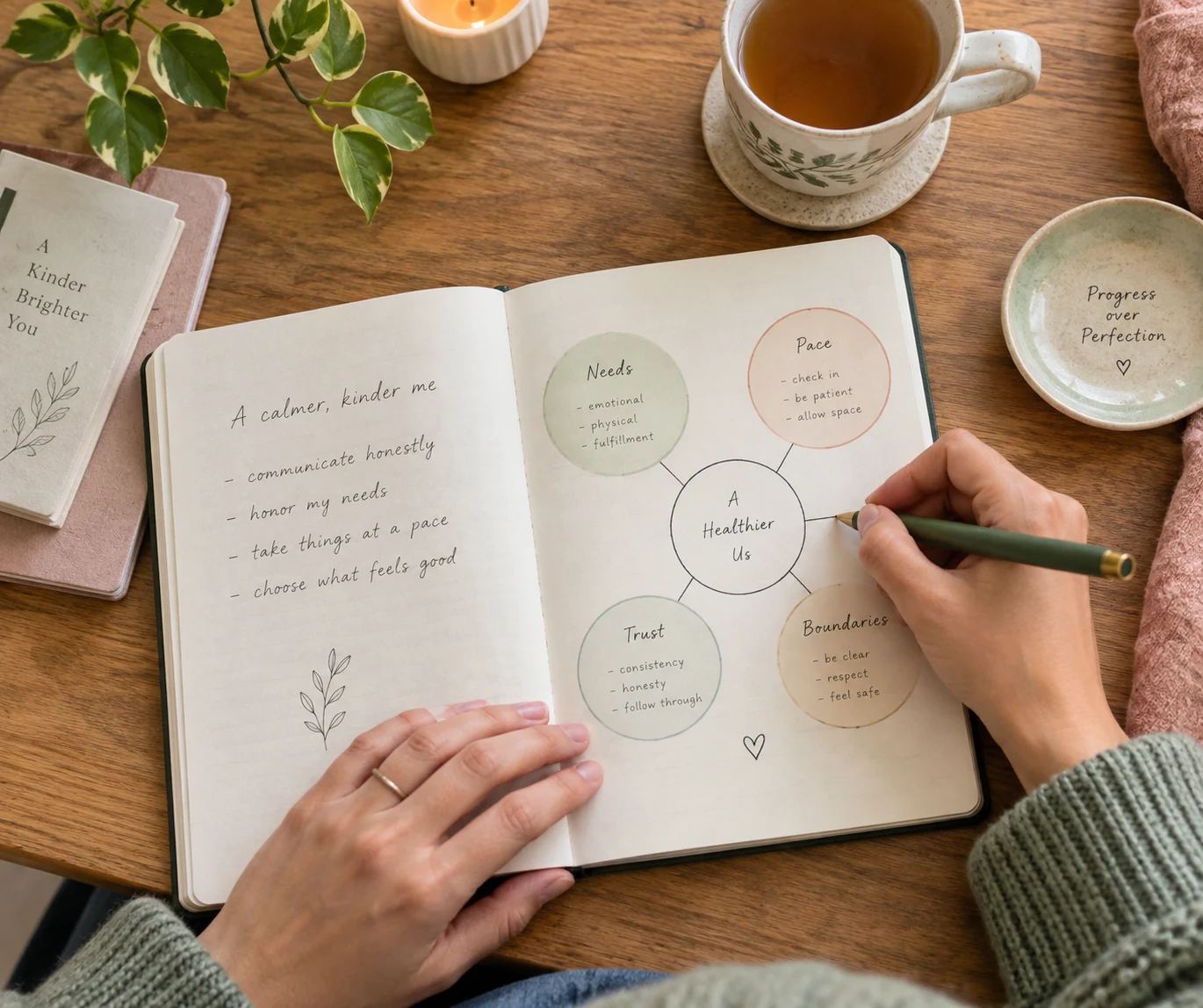
What Getting Attached Easily Usually Means
Getting attached easily means your sense of closeness, hope, or emotional investment forms quickly. Sometimes it happens after a few deep conversations. Sometimes it happens when someone gives you attention, compliments you, shares vulnerability, or creates a sense of mystery. Your mind may begin filling in the blanks: what they might mean to you, how safe they could feel, or whether this connection might finally meet a need that has felt unmet for a long time.
Emotional attachment itself is not bad. Humans are wired for connection, and healthy attachment is part of friendship, dating, family life, and partnership. The difficulty starts when the attachment becomes much stronger than the available evidence. If you feel intensely bonded to someone you barely know, feel anxious when they take time to reply, or change your day around their attention, the attachment may be moving faster than trust.
This pattern is often less about the other person's specialness and more about what the connection activates in you. A kind message may feel like relief. Unpredictable attention may feel like a challenge to win. A familiar emotional dynamic may feel like chemistry because your body recognizes it, even if it is not actually stable.
Why Do I Get Attached So Easily Psychology Can Explain
From a psychology perspective, fast attachment often grows from a mix of need, memory, attention, and uncertainty. If closeness has ever felt inconsistent, your system may work hard to secure it once it appears. That can look like replaying conversations, checking for signs of interest, imagining future scenes, or feeling unusually affected by small shifts in tone.
Attachment patterns can play a role. Someone with anxious attachment tendencies may become highly alert to distance and rejection. Someone with avoidant tendencies may still feel strong attraction, but then pull back when closeness becomes real. Someone with disorganized attachment tendencies may experience both longing and fear at the same time. These are not fixed identities. They are patterns that can soften as you build awareness, safer relationships, and steadier self-support.
There is also a reward-system piece. Early attraction and emotional novelty can be powerful. A new person can create anticipation, and anticipation can make the connection feel larger than it is. If the other person is inconsistent, the highs may feel even more intense because your mind keeps waiting for the next reassuring signal.
Why am I so attached to someone I barely know? Often because your brain is responding to possibility, not history. Possibility can feel huge. It can carry the fantasy of being chosen, understood, protected, desired, or finally met. The work is not to shame yourself for wanting those things. The work is to ask whether this particular relationship has earned that much emotional access yet.

Common Reasons You May Attach Quickly
One common reason is emotional hunger. If you have gone a long time without feeling deeply seen, even a brief moment of attention can feel like water after a drought. The attention may be real and meaningful, but the intensity may also reflect how long you have needed care.
Another reason is idealization. When you know only a little about someone, your imagination has room to create the rest. You may attach to who they could be, how they make you feel, or what the relationship seems to promise. This is especially common when the person is attractive, emotionally expressive, unavailable, or similar to someone from your past.
A third reason is unclear boundaries. If you share very personal things early, communicate constantly, or treat every spark as a sign of destiny, your emotions may bond before your judgment has enough information. Vulnerability is valuable, but it works best when it unfolds with pace and mutual care.
Sometimes the pattern is linked to self-worth. If being liked by someone makes you feel valuable, losing their attention can feel like losing proof that you matter. In that situation, attachment is not only about affection. It becomes a way to regulate self-esteem.
ADHD can be part of the picture for some people, especially when interest, rejection sensitivity, impulsivity, or emotional intensity are involved. That does not mean ADHD automatically makes someone attach quickly, and it does not mean fast attachment proves anything clinical. It simply means attention and emotion can interact in ways that make some connections feel especially compelling.
Gender-specific searches like "why do I get attached to men so easily" or "why do I get attached so easily to a girl" often point to the same underlying process. The question is less about gender and more about what that person represents: safety, validation, excitement, rescue, belonging, or a chance to replay an old emotional script with a better ending.
Is It Bad to Be Emotionally Attached to Someone?
It is not bad to be emotionally attached to someone. Emotional connection is part of a healthy life. The question is whether the attachment has room for reality, boundaries, and reciprocity.
Healthy attachment usually grows alongside evidence. You learn how the person handles conflict, delay, disappointment, honesty, and everyday responsibility. You can miss them without losing yourself. You can enjoy closeness while still keeping your routines, friendships, goals, and inner steadiness.
Over attachment feels different. It may involve checking your phone repeatedly, ignoring early concerns, feeling responsible for the other person's mood, rushing intimacy, or tolerating inconsistency because the high moments feel so good. You may know very little about the person but feel as if your emotional safety depends on them.
Getting attached easily can be a red flag when it makes you abandon your standards or when the connection becomes more important than your wellbeing. It can also be a signal, not a verdict. Signals are useful. They tell you where you need more care, more pace, or more support.
A person who gets attached easily is sometimes described as clingy, anxious, needy, intense, or overly attached, but those words can be harsh and incomplete. A more compassionate description is someone who bonds quickly and may need extra practice with pacing, self-trust, and emotional regulation.

How to Not Get Attached Too Quickly Without Closing Off
The goal is not to become detached or cold. The goal is to let connection develop at the speed of evidence. If your pattern is to give someone full emotional access right away, small pacing practices can protect your heart while keeping you open.
First, separate chemistry from consistency. Chemistry asks, "Do I feel something?" Consistency asks, "Do their actions remain respectful over time?" You can enjoy chemistry without treating it as a promise.
Second, keep your life wide. Maintain your routines, friendships, sleep, hobbies, and plans. Fast attachment often becomes stronger when one person becomes the center of your emotional world. A fuller life gives the connection a healthier amount of space.
Third, delay big interpretations. A fast reply does not have to mean devotion. A slow reply does not have to mean rejection. Practice describing facts before building stories: "They answered this afternoon" is different from "They are losing interest."
Fourth, pace vulnerability. Share honestly, but in layers. Notice whether the other person responds with respect, care, and mutual openness. Deep sharing should not become a shortcut to instant closeness.
Fifth, use a two-column check. On one side, write what you feel. On the other, write what you actually know. You might feel safe, chosen, or excited. What you know may be that you have had three good conversations. Both can be true, but they should not carry the same weight.
If you want to understand whether your attachment pattern leans anxious, avoidant, secure, or mixed, an attachment style quiz can give you a self-reflection starting point. Treat the result as information to consider, not as a final verdict on who you are.
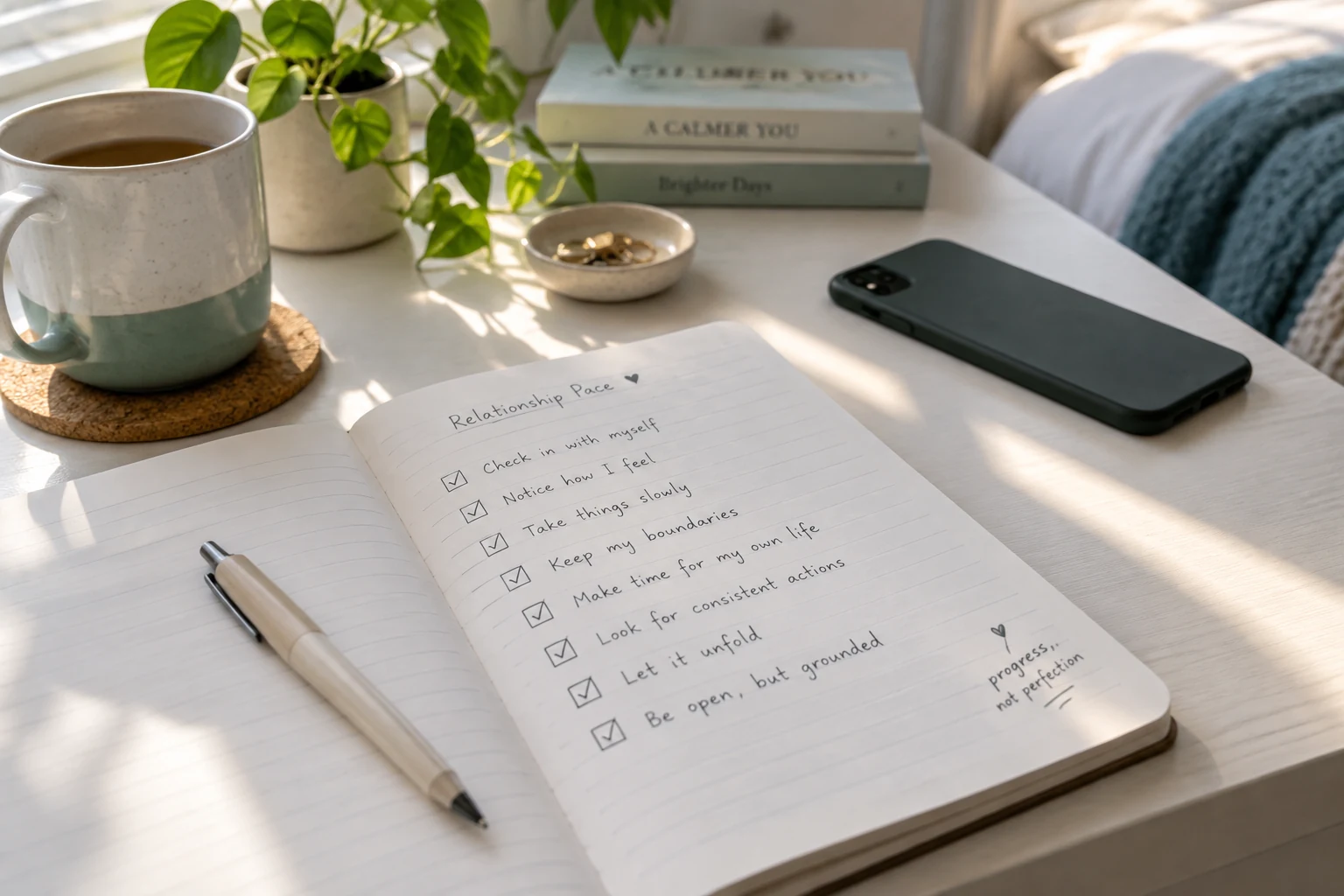
Signs You May Need More Support
Fast attachment is common, but extra support can help if the pattern feels painful, repetitive, or hard to slow down. Consider talking with a qualified mental health professional if attachment anxiety leads to panic-like spirals, stalking or checking behaviors, major sleep loss, repeated unhealthy relationship choices, or feeling unable to function when someone pulls away.
Support can also help if your attachment patterns connect to trauma, neglect, major abandonment, or relationships where safety was unpredictable. Professional care does not mean something is wrong with you. It can simply give you a steadier place to understand why your system reacts so strongly and how to build new responses.
In everyday situations, support may also look like a trusted friend, journaling, pausing before sending another message, or choosing not to make relationship decisions while flooded. Your feelings deserve attention, but they do not always need immediate action.
A Healthier Way to Build Connection
Why do I get attached to people so easily? Often because connection matters deeply to you, and some part of you has learned to reach for it quickly. That is understandable. You do not have to punish yourself for wanting closeness, and you do not have to hand your whole heart to every early spark.
A healthier path is to let warmth and wisdom work together. Notice attraction. Enjoy conversation. Stay curious. Then watch for consistency, respect, mutual effort, and how you feel in your own body after contact with the person. Real security is not just intensity. It is a connection that can breathe.
You can also use a gentle self-exploration resource to reflect on patterns before they take over. The point is not to put yourself in a box. The point is to create enough clarity that you can choose your next step with care instead of fear.

FAQ
How do I stop getting attached so easily?
Start by slowing the pace of emotional access. Keep your routines, delay big conclusions, and check whether your feelings match what you actually know about the person. You do not have to stop caring. You are practicing letting care grow with evidence.
Is there a disorder for getting attached too easily?
Getting attached quickly is not, by itself, a disorder. It can be related to attachment patterns, past experiences, anxiety, loneliness, trauma history, ADHD traits, or low self-worth. If the pattern causes major distress or keeps repeating in harmful ways, professional support can help you understand it more clearly.
Is getting attached easily a red flag?
It can be a red flag if it makes you ignore boundaries, rush commitment, tolerate disrespect, or lose your sense of self. It can also be a helpful signal that you need more steadiness, pacing, and self-support before investing further.
Do people with ADHD get attached more easily?
Some people with ADHD may experience intense interest, emotional sensitivity, impulsive communication, or strong reactions to perceived rejection. Those traits can make early connection feel very powerful. ADHD does not automatically mean someone attaches quickly, and quick attachment alone does not prove ADHD.
What does it mean when you get attached to someone easily?
It usually means your emotional system bonds quickly when it senses connection, possibility, comfort, or validation. The key question is whether the attachment is based on mutual trust over time or on hope, uncertainty, and unmet needs.
Why am I so attached to someone I barely know?
You may be attached to what the person represents more than what has been proven. They might symbolize being chosen, understood, desired, or safe. Try separating what you feel from what you know, then give the relationship time to show its real shape.