Attachment Style Quiz: Healing Roadmaps for Anxious, Avoidant, & Disorganized Types
Have you ever wondered why you fall into the same relationship patterns again and again? One moment you might be craving closeness, and the next you feel an overwhelming urge to pull away. This isn't a personality flaw—it's your attachment style at work. Discovering your pattern with our free attachment style quiz is the first, crucial step toward transformation. But what comes next?
Whether you’ve identified as anxious, avoidant, or disorganized, this guide delivers a science-backed healing roadmap tailored to your unique pattern. So, can you truly heal insecure attachment? Neuroscience gives a resounding 'yes'—with deliberate practice. Let’s explore the actionable steps to build the security you deserve.

Understanding Your Attachment Style Healing Journey
Your attachment style is not a life sentence. Research confirms that adults can shift from insecurity to "earned security" through targeted, consistent effort. It's about understanding the science and being patient with your own progress.
Can Adult Attachment Patterns Really Change?
Absolutely. Thanks to neuroplasticity—the brain’s incredible ability to rewire itself—you can create new neural pathways for security. Studies show that consistent new relational experiences can override the old patterns formed in childhood. What’s the magic formula? Self-awareness + deliberate practice + supportive relationships.
The Science Behind Attachment Rewiring
John Bowlby’s attachment theory is the foundation for this process. Secure bonds activate your brain’s prefrontal cortex (the center for rational thinking) and help calm the amygdala (the fear and threat detector). Each time you have a positive, safe interaction, you strengthen this neural shift. Tools like our AI-powered personalized report can accelerate this process by revealing your specific triggers and blind spots.
Setting Realistic Expectations for Your Healing Timeline
Healing isn’t an overnight fix; it unfolds in phases. Which of these stages do you feel you're in right now?
- Awareness (1-3 months): Recognizing your triggers and patterns without judgment.
- Practice (3-6 months): Actively implementing new, secure behaviors in low-stakes situations.
- Integration (6+ months): Sustaining security becomes more natural, even during stress.
This timeline varies. Anxious styles may need more time to master emotional regulation, while avoidant types often find the initial steps toward vulnerability to be the most challenging.

Healing Roadmap for Anxious Attachment Style Quiz
If you have an anxious attachment style, you likely live with a core fear of abandonment. This can lead to "protest behaviors" when you feel disconnected. This 3-phase plan helps you build security by focusing on self-soothing and emotional regulation.
Phase 1: Building Self-Regulation Skills (Weeks 1-4)
- Practice the “pause-breathe-label” technique when you feel triggered. Instead of reacting instantly, take a deep breath and name the emotion (e.g., "I feel fear").
- Use a journal to identify your specific protest behaviors. Do you tend to send a flood of texts, call repeatedly, or withdraw to get a reaction?
- Develop a 10-minute daily mindfulness or grounding routine to calm your nervous system.
Tip: You can track your triggers and progress in your free attachment style quiz results dashboard.

Phase 2: Developing Secure Base Thinking (Weeks 5-12)
- Actively reframe anxious thoughts. Challenge "They’re going to leave me" with "I can handle this uncertainty and I am safe on my own."
- Create an “evidence log” of times when your fears of abandonment were proven wrong.
- Gradually increase your tolerance for space. Start by not responding to a non-urgent text for 20 minutes, then an hour, and so on.
Phase 3: Creating Healthy Relationship Boundaries (Months 3-6)
- Communicate your needs clearly using “I feel… I need…” statements. For example, "I feel anxious when plans are vague. I need a bit more clarity to feel secure."
- Work with your partner to schedule designated “check-in times” to reduce constant reassurance-seeking.
- Cultivate your independence by investing time in solo hobbies and friendships that fill your cup.
Healing Roadmap for Avoidant Attachment Style Quiz
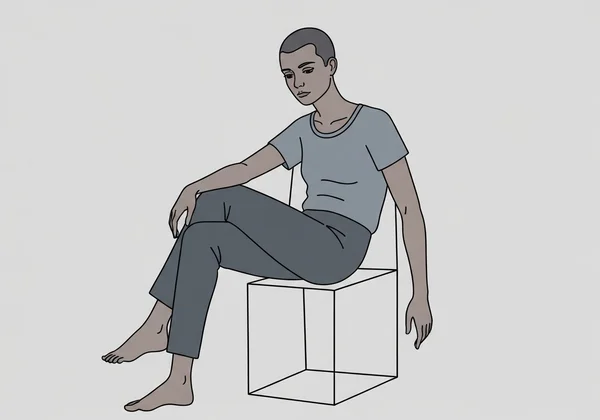
If you have an avoidant attachment style, your instinct is to create emotional distance as a form of self-protection. True connection can feel threatening. This plan is designed to help you foster connection safely and gradually.
Phase 1: Identifying Emotional Avoidance Patterns (Weeks 1-4)
-
Map your go-to “distancing tactics.” This could be stonewalling (shutting down during conflict), using sarcasm to deflect, or burying yourself in work.
-
Notice the physical signs of discomfort during moments of intimacy. Do you clench your jaw, cross your arms, or feel an urge to physically leave the room?
-
Start a “vulnerability scale” (1-10) diary to track situations that make you want to retreat.
Phase 2: Practicing Emotional Vulnerability (Weeks 5-12)
- Start small. Share one low-risk feeling daily with a trusted person (e.g., “I felt nervous about that presentation today”).
- Instead of intellectualizing your feelings, connect them to your body. Ask yourself: "Where do I feel this emotion? Is it a tightness in my chest? A pit in my stomach?"
- Try the “gradual exposure” exercises in our personalized report, which are designed to make vulnerability feel more manageable.
Phase 3: Relearning Secure Relationship Behaviors (Months 3-6)
- Challenge yourself to initiate contact when you need support, rather than waiting for others to pursue you.
- Practice accepting comfort. When someone offers support, try responding with a simple “Thank you” instead of deflecting with “I’m fine.”
- Schedule regular, non-negotiable connection rituals, like a weekly dinner or a walk, to build a routine of closeness.
Healing Roadmap for Disorganized Attachment Style
Disorganized (or fearful-avoidant) attachment is characterized by a painful fluctuation between the core fears of the anxious and avoidant styles. You may crave closeness and fear it simultaneously. Healing comes from building internal safety and integration.
Phase 1: Creating Internal Safety and Coherence (Weeks 1-4)
- Master grounding techniques to use when you feel emotionally overwhelmed. The 5-4-3-2-1 sensory exercise is a great place to start.
- Establish highly predictable daily routines for sleep, meals, and work to create a sense of stability.
- Identify your “safe spaces,” both physical (a cozy corner in your home) and mental (a calming memory or visualization).
Phase 2: Integrating Conflicting Attachment Strategies (Weeks 5-12)
- Recognize your push-pull patterns in real-time. This might look like sending a vulnerable text and then immediately regretting it and wanting to pull away.
- Use "parts work" to understand your inner conflict. Ask: “Which part of me wants closeness right now? And which part of me is terrified of it?”
- Explore the origins of these conflicting drives with insights from your AI-generated report insights.
Phase 3: Building a Secure Narrative of Your Attachment History (Months 3-6)
- Work on rewriting key memories from your adult perspective, offering yourself the compassion you may not have received.
- Acknowledge that your past survival strategies served a purpose, without judging yourself for them.
- Use visualization to imagine new, secure relational templates. Picture yourself handling a conflict calmly or accepting love without fear.
Start Your Healing Journey Today
Your attachment style is your starting point, not your destination. These roadmaps are designed to guide you from awareness to action, helping you build the secure, fulfilling relationships you deserve. It’s a journey of progress, not perfection, and it begins with understanding where you are right now.
Are you ready to stop repeating the same old cycles? Your free attachment style quiz results provide the personalized foundation for these roadmaps. For deeper, tailored guidance, our AI-generated report offers:
- Customized exercises for your specific attachment pattern
- Analysis of how your style impacts work, friendships, and family
- Monthly progress tracking to celebrate your growth
Take the most important step today.
Discover Your Attachment Style & Healing Plan →
Attachment Healing Essentials
How long does attachment style healing take?
Most people notice meaningful changes in 3-6 months with consistent practice. However, avoidant types may require 8-12 months to build a strong tolerance for vulnerability, as it challenges their core defenses.
Should I do therapy alongside self-healing?
Self-work is a powerful complement to therapy but not a replacement for it, especially for healing trauma. Our free quiz can help you identify specific patterns and questions to bring to a professional.
What if my partner’s attachment style clashes with mine?
The anxious-avoidant pairing is one of the most common—and challenging. Understanding both styles is key. Our “Couples’ Insights” report (available after taking the quiz) is designed to identify shared growth areas.
Is disorganized attachment harder to heal?
Individuals with a disorganized style face unique challenges due to the internal conflict. However, once a baseline of safety is established, they can often build security faster than chronically avoidant individuals.
How do I track my healing progress?
Look for subtle but powerful shifts. You can monitor your:
- Triggers: How frequently are old situations activating you?
- Recovery: How quickly do you recover your emotional balance after a conflict?
- Connection: How willing are you to initiate and receive closeness?