Love vs. Attachment: How to Tell if Your Connection is Genuine
Understanding the subtle reality of love vs attachment is the first step toward building a truly fulfilling and secure relationship. Have you ever felt a deep, magnetic pull toward someone, yet still felt inexplicably anxious or lonely? While these two emotions often overlap, they originate from very different places in your heart and mind. Before diving into the psychological nuances, it is often helpful to try an attachment style test to uncover how your personal history influences your emotional bonds. This guide will help you distinguish between a healthy, flourishing connection and an emotional habit that might be holding you back by exploring symptoms, psychological roots, and actionable steps for growth.

More Than a Feeling: Defining the Core Love vs. Attachment Difference
To understand the love vs attachment difference, we must first look at where each emotion focuses its energy. Love is essentially about the other person and the growth of the relationship. Attachment, however, is often about you—specifically, your need for security and your fear of being alone.
The Ego-Driven Nature of Emotional Attachment
Emotional attachment often feels like a protective shield. When you are "attached," you are frequently using the other person to fill a void in your own life. This isn't inherently "evil," as humans are social creatures wired for connection. However, when attachment is the primary driver, the relationship becomes transactional. You might find yourself thinking, "I need this person so I don’t feel lonely," rather than "I want to support this person’s happiness." This self-centered focus can lead to controlling behaviors or intense jealousy because you view the partner as a necessity for your own stability.
The Growth-Oriented Foundation of Genuine Love
In contrast, genuine love is expansive and altruistic. In the context of love vs attachment psychology, love is characterized by a desire for the other person to flourish, even if that growth happens independently of you. Love creates a safe harbor where both individuals feel encouraged to pursue their goals. You don’t "need" them to survive emotionally; instead, you "choose" them because they enrich your existence. This distinction is vital for long-term satisfaction and emotional peace.
7 Telltale Signs: How to Tell if It’s Love or Just Attachment
Distinguishing between these states requires honest self-reflection. Use this checklist to evaluate your current relationship dynamics. If you find that most of your experiences lean toward the "attachment" side, do not panic. Awareness is the first step toward transformation.
- Priority of Needs: In love, your partner's well-being is as important as your own. In attachment, your focus remains primarily on how the partner makes you feel.
- The Feeling of Freedom: Love feels like a choice made every day. Attachment often feels like a heavy obligation or a "trap" you are afraid to leave.
- Reaction to Growth: Love celebrates a partner's new hobbies or friends. Attachment feels threatened by any change that might shift the partner's attention away from you.
- Conflict Resolution: Couples in love fight to solve problems. Attached individuals fight to "win" or to keep the other person from leaving.
- Emotional Stability: Love is generally consistent and calm. Attachment is a rollercoaster of extreme highs and crushing lows.
- Sense of Self: Love allows you to maintain your own identity. Attachment often leads to "merging," where you lose track of who you are without the other person.
- Defining the "Why": Do you love who they are as a person, or do you simply love the fact that they are present to ease your loneliness?
Anxiety vs. Peace: Why Attachment Can Feel Like an Addiction
One of the most confusing aspects of love vs attachment in a relationship is the intensity. Many people mistake high-stress anxiety for "passion." If your relationship feels like an addiction—where you need a "fix" of their attention to feel okay—you may be experiencing an insecure attachment pattern, especially if reassurance feels like the only way to feel stable. Genuine love provides a sense of peace and security. It doesn't require constant reassurance because the trust is foundational. When you feel "addicted," you are often chasing the dopamine hit of validation rather than the slow-burn warmth of a true partnership.

The Science of Clinging: How Attachment Styles Shape Your Relationships
Your tendency toward love vs attachment didn't appear out of nowhere. It is deeply rooted in your early life experiences and the way your primary caregivers responded to your needs. Psychologists refer to this as Attachment Theory, and it serves as the blueprint for how you interact with intimacy as an adult.
Anxious Attachment: When the Fear of Loss Mimics Passion
People with an anxious attachment style often feel that they love "too much" or "too deeply." In reality, they are often experiencing a high level of attachment-related fear. Because they fear abandonment, they may become hyper-vigilant, scanning their partner’s behavior for signs of pulling away. This creates a cycle where the "passion" is actually a response to perceived threat. To understand your own patterns, you can explore our attachment style test online to learn if your past is currently dictating your romantic present.
Avoidant Attachment: Why Distance is Sometimes a Protective Habit
On the other side of the spectrum, avoidant individuals may mistake their lack of attachment for a "higher" form of love or independence. They often pull away when a relationship becomes intimate because they perceive the "attachment" of others as a threat to their freedom. By understanding the love and attachment styles at play, you can begin to bridge the gap between your defensive habits and the intimacy you actually desire.
Beyond the Confusion: A Path to Self-Discovery and Secure Bonds
Moving from a state of anxious clinging to a state of secure love is a journey of self-awareness. You cannot change a pattern you haven't identified. This is where the bridge between information and action becomes crucial. Understanding the theory is a great start, but applying it to your own life is where the healing happens.
Why Self-Awareness is the First Step to Change
Most of our relationship behaviors are subconscious. We repeat what we learned in childhood because it feels familiar, even if it’s painful. To break the cycle of "habitual attachment," you must shine a light on these hidden scripts. When you understand your triggers, you stop reacting on autopilot. This awareness creates a tiny space—a pause—where you can choose a different, healthier response that leads to genuine connection rather than desperate clinging.
Putting Knowledge into Practice with Self-Reflection
If you are ready to stop wondering about your relationship patterns and start understanding them, it is time for a deeper look. If you’d like more structure for your self-reflection, a simple assessment can help you name patterns and connect them to Attachment Theory—so you can focus your growth on what matters most.
- Identify your primary style: Are you Secure, Anxious, Avoidant, or Disorganized?
- Uncover the roots: Understand how your history impacts your view of love vs attachment.
- Take the first step: Use your results to build a roadmap for healthier intimacy.
Curious about your own patterns? You can start by taking a few minutes to reflect on your traits and your relationship history to begin your journey toward a more fulfilling and peaceful love life.
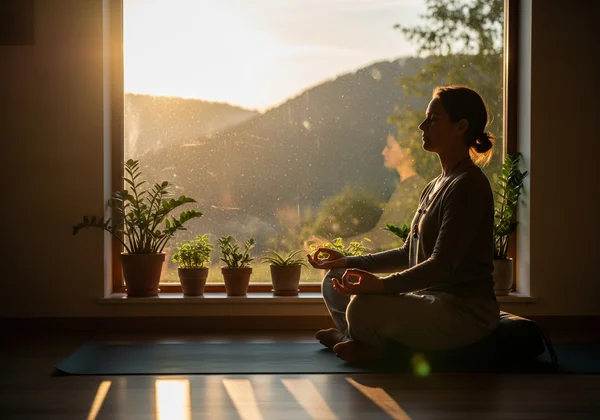
Choosing Growth: How to Change an Unhealthy Attachment into Love
If you realized that your current connection is more about attachment than love, don't lose heart. It is entirely possible to shift the dynamic of a relationship, provided both partners are willing to do the work. Here is a step-by-step approach to moving toward a healthier bond.
1. Cultivate Individual Happiness Outside the Relationship
The biggest enemy of unhealthy attachment is self-sufficiency. When your entire world revolves around one person, you become a "hostage" to their moods. Start by reclaiming your own life. Reconnect with old friends, pursue a solo hobby that brings you joy, and focus on your physical health independently.
2. Set Boundaries with Yourself and Your Partner
Healthy love requires boundaries. If you find yourself constantly "checking in" or seeking reassurance, set a boundary with yourself. For example, commit to focusing on your work for three hours without checking your phone. This helps break the "addiction" cycle of attachment and builds self-trust.
3. Practice Emotional Vulnerability Over Control
Attachment is often about control, while love is about vulnerability. Instead of using "protest behaviors" like the silent treatment to get attention, try stating your needs directly. Instead of "You never spend time with me," try "I'm feeling a bit disconnected today and would love to have dinner together tonight."
Building a Future of Secure Love
Distinguishing between love vs attachment is one of the most useful skills you can build for long-term emotional well-being. Attachment itself isn’t the enemy—it’s a normal human need for closeness and safety. The key is noticing when that need starts to drive fear, control, or constant reassurance, instead of mutual support and steady trust.
If you want a clearer picture of what might be shaping your patterns, you can gently explore your baseline by taking our attachment style test. Use any results as a starting point for self-reflection—not a label that defines you.
Important note: This article (and any quiz results) is for education and self-understanding only and isn’t a diagnosis or treatment advice. If you feel persistently anxious, stuck in cycles of jealousy or control, or your relationship dynamics feel unsafe or overwhelming, consider speaking with a licensed mental health professional or a couples therapist for personalized support.
FAQ
Can love and attachment exist at the same time?
Yes. Most healthy relationships include some attachment. Problems arise when fear and insecurity drive the bond more than trust, respect, and shared growth. In many cases, love feels steady, while insecure attachment feels urgent or unstable.
Is attachment always unhealthy?
No. Attachment is a normal need for closeness and safety. It becomes unhealthy when it leads to controlling behavior, constant reassurance seeking, or losing your sense of self. The goal is secure attachment, not “no attachment.”
How can I tell if I have an anxious attachment style?
Common signs include fear of abandonment, frequent reassurance seeking, and high sensitivity to distance or changes in attention. These patterns can show up even in supportive relationships, especially under stress. Naming triggers and practicing steadier communication can help.
Can anxious or avoidant attachment change over time?
Often, yes. With self-awareness, clearer communication, and consistent experiences of safety, many people move toward more secure patterns. Therapy or coaching can also help you build new skills, especially if old habits feel deeply ingrained.
When should I consider professional help?
If anxiety, conflict, or controlling behaviors persist, or if you feel emotionally unsafe, overwhelmed, or stuck in repeated cycles, professional support can help. A licensed therapist or couples counselor can offer personalized guidance beyond general educational content.