Understanding Your Insecure Attachment Style Signs Causes and Healing
Do you find yourself repeatedly facing the same conflicts in your relationships? Perhaps you often fear your partner will leave, or conversely, you feel suffocated when someone gets too close. These patterns are rarely random; they are often deeply rooted in your insecure attachment style. An insecure attachment style can create confusion and emotional pain, making it difficult to build the lasting, secure relationships you want. But there is good news: understanding your attachment pattern is the first step toward change. In this comprehensive guide, we will explore what an insecure attachment style is, break down the three main types, uncover the childhood causes behind them, and provide actionable steps you can take to heal and move toward earned security. If you want to explore our Attachment Style Quiz online, it might help clarify some of your relationship dynamics.
What Exactly Is an Insecure Attachment Style?
Understanding the root of your relationship struggles often begins with identifying core definitions.
The Core Definition of Insecure Attachment
An insecure attachment style is a relational pattern that typically forms in early childhood. When caregivers are inconsistent, emotionally unavailable, or act in frightening ways, trust cannot fully develop. Consequently, as an adult, you may struggle with deep-seated fears of abandonment or a strong urge to push people away to protect yourself.
Insecure vs. Secure Attachment: Key Differences
The primary difference lies in comfort with emotional intimacy. People with a secure attachment style feel comfortable giving and receiving love. They trust their partners and can depend on them. In contrast, those with an insecure attachment style either cling too tightly due to fear or distance themselves to maintain independence.
The Role of the "Internal Working Model"
Attachment theory suggests that early experiences create an "internal working model." This model acts like an invisible blueprint for how you view yourself and others. If your experiences taught you that people are unreliable, your working model will expect rejection, leading to defensive behaviors in relationships.
The 3 Primary Types of Insecure Attachment Styles
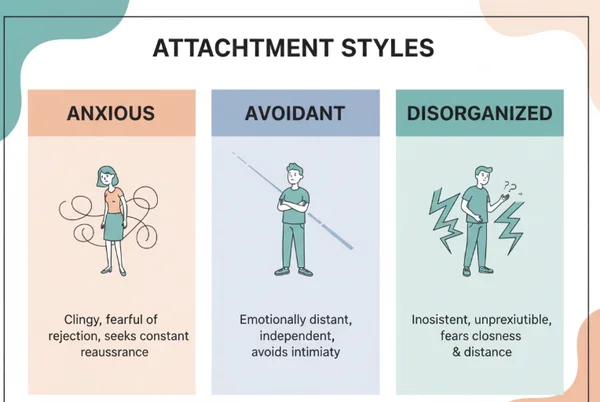
There are three main categories of insecure attachment styles. Recognizing yours can provide massive insight into your behavior.
Anxious Attachment: The Fear of Abandonment
An anxious insecure attachment style is characterized by a strong fear of rejection. If you have this style, you may constantly seek reassurance, worry that your partner doesn't love you, and feel highly sensitive to slight shifts in their mood. You tend to crave profound intimacy but often feel your needs are never fully met.
Avoidant Attachment: The Need for Excessive Independence
An insecure avoidant attachment style involves suppressing emotional needs. People with this style highly value independence and self-reliance. They might pull away when a partner seeks closeness, believing that relying on others makes them vulnerable. Emotional vulnerability feels unsafe, so they maintain distance to protect themselves.
Disorganized Attachment: The Push-Pull Dynamic
Often born from trauma or intense inconsistency, disorganized attachment is confusing for everyone involved. Individuals deeply crave connection but are simultaneously terrified of it. This creates a severe push-pull dynamic. They might seek closeness and then suddenly panic and withdraw when they get it.
Discover Your Relationship Patterns
Taking the time to reflect on your relational habits is incredibly valuable. Identifying where you fall among the types of insecure attachment styles is entirely possible with self-reflection. To gain more clarity, consider taking an Attachment Style Quiz online. It is a helpful educational resource designed to support your journey of self-discovery.
Disclaimer: This tool is for educational purposes and self-reflection, not professional clinical assessment.
What Childhood Experiences Commonly Lead to Insecure Attachment?
Why do these patterns form? The origins generally trace back to the early years of life.
Inconsistent Caregiving and Emotional Unavailability
Insecure attachment is rarely a choice; it is an adaptation. When parents are inconsistent—sometimes warm, sometimes distant—a child learns that love is unpredictable. This often leads to anxious attachment. When parents are consistently emotionally unavailable, a child learns to self-soothe entirely, fostering an avoidant attachment style.
The Lasting Impact of Childhood Trauma
More severe forms of insecure attachment, particularly disorganized attachment, often stem from trauma. If the caregiver figure is both a source of comfort and a source of fear, the child's nervous system cannot figure out how to safely connect. This creates deep-seated confusion that carries into adult relationships.
Do Genetics Play a Role in Attachment?
While environments are the primary drivers, genetics can play a minor role. Certain temperaments may make a child more sensitive to their environment. However, attachment theory emphasizes that relation patterns are learned behaviors, which means they can also be unlearned.
How Insecure Attachment Affects Adult Romantic Relationships
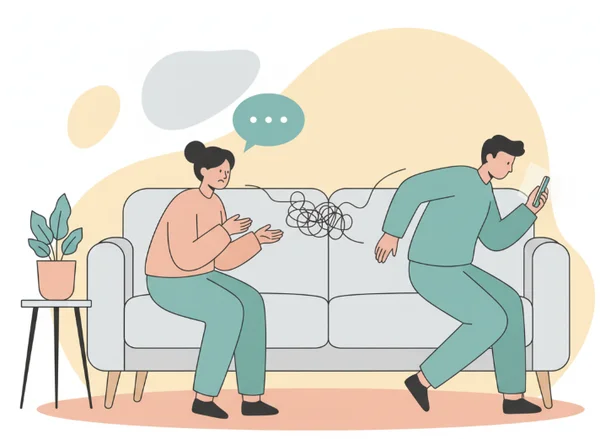
These early models shape how insecure attachment style adults navigate their daily connections.
Recognizing the Signs in Your Daily Interactions
Signs of an insecure attachment style in relationships often emerge during conflicts. You might notice you start fights to test your partner's love, or you might shut down and refuse to talk when you feel overwhelmed. Recognizing these specific moments is the first step toward breaking the cycle.
The Anxious-Avoidant Relationship Trap
A common dynamic is the anxious-avoidant trap. Anxious individuals are drawn to the independence of avoidant partners, while avoidants are attracted to the anxious person's warmth. However, as the anxious partner pushes for closeness, the avoidant partner pulls away, creating a painful, exhausting loop.
Impact on Non-Romantic Relationships (Friendships & Workplace)
An insecure attachment style isn't limited to romance. In friendships, you might fear being left out or struggle to trust your friends' intentions. In the workplace, you might constantly seek the boss's approval or alternatively, refuse to collaborate because you prefer working entirely alone.
Communication Struggles Linked to Insecure Attachment
Healthy communication requires vulnerability, an area where insecure attachers struggle. Anxious attachers may communicate through hints rather than direct requests, fearing rejection. Avoidant attachers might stonewall or minimize their partner's concerns to maintain emotional safety.
How You Can Heal and Fix an Insecure Attachment Style
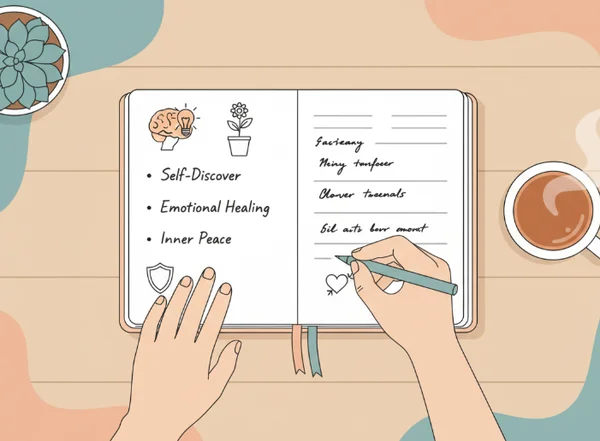
You are not broken, and these patterns are not a life sentence.
The Concept of Earned Security
Can an insecure attachment style become secure? Yes. The psychology field calls this "earned security." It means you can intentionally develop a secure attachment style as an adult through self-awareness, reflection, and new, healthy relationship experiences.
Actionable Micro-Habits for Each Attachment Type
To start making changes to your insecure attachment style, try these daily micro-habits:
- For Anxious Styles: Before reacting to an unreturned text, take five deep breaths and wait ten minutes.
- For Avoidant Styles: Practice sharing one small emotion with a safe person each day instead of handling everything alone.
- For Disorganized Styles: Keep a daily journal tracking your relational triggers without judging yourself.
How Therapy Aids the Transition to Secure Attachment
Working with a licensed therapist can accelerate your path to healing. A professional provides a safe environment to process childhood trauma and safely challenge your internal working model. Therapy is one of the most effective ways to learn how to fix an insecure attachment style.
Summary and Next Steps for Your Journey
Navigating relationship challenges is incredibly hard, but understanding your insecure attachment style provides a roadmap to healthier love. From recognizing the signs of an anxious insecure attachment style to understanding childhood causes, knowledge is power. When you're ready to take the next step in understanding your patterns, you can read more and use our comprehensive Attachment Style Quiz guide. Remember, seeking support from a professional counselor is always a positive choice when navigating deep emotional work.
Frequently Asked Questions
Can an insecure attachment style become secure over time?
Yes. Through conscious effort, self-reflection, and healthy relationship experiences, adults can develop "earned security." It is absolutely possible to build a more secure attachment style.
Is it possible to have a mix of different insecure attachment styles?
It is common for individuals to show a primary style but occasionally exhibit traits of another. For instance, you might display avoidant traits at work but become anxious in romantic relationships.
What is the most common insecure attachment style?
While studies vary, the anxious attachment style and the avoidant attachment style are the most frequently identified among the insecure attachment categories in adult populations.
Why do anxious and avoidant individuals often attract each other?
They commonly fall into a dynamic where the anxious partner's desire for closeness triggers the avoidant partner's need for space. Unconsciously, they recreate familiar relationship struggles from their pasts.